Title: Ayanamsha in Astrology: Bridging Celestial Precision with Sidereal Insight
Author: Subhamoy Bhattacharjee
First Published: 27 December 2025
Original Publication: https://www.talk2destiny.co.in/ayanamsha
Copyright © 2025 Subhamoy Bhattacharjee
All Rights Reserved
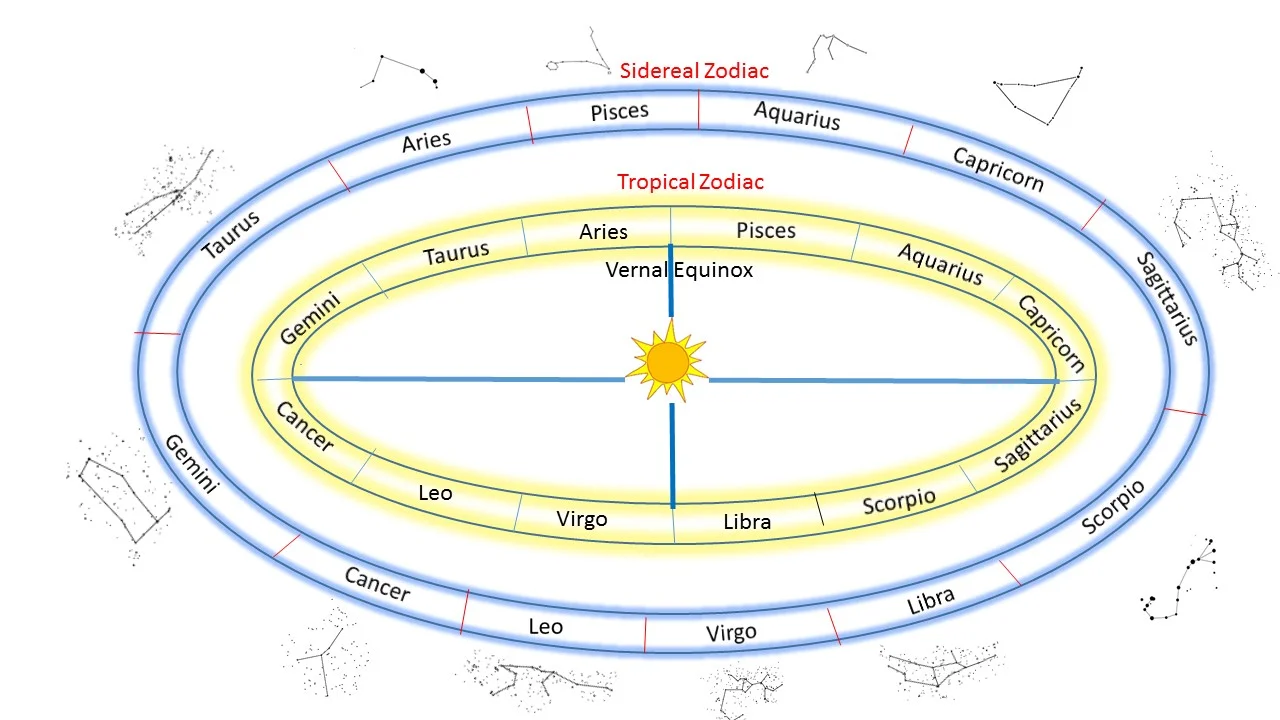
In astrology, ayanamsha is a foundational concept that defines the relationship between the tropical and sidereal zodiacs. Despite its central role in sidereal astrology, it remains one of the most misunderstood and debated constructs among practitioners. In this article, we’ll explore what ayanamsha is, why it matters, how it’s calculated, and how different ayanamsha models affect astrological interpretation. We’ll also highlight a modern, astronomically rigorous approach to sidereal zodiac definition that I developed and published in my Medium essay “Bhattacharjee Ayanamsa: A Modern Astronomically Rigorous Sidereal Zodiac Framework”.
In simplest terms, ayanamsha measures the angular difference between:
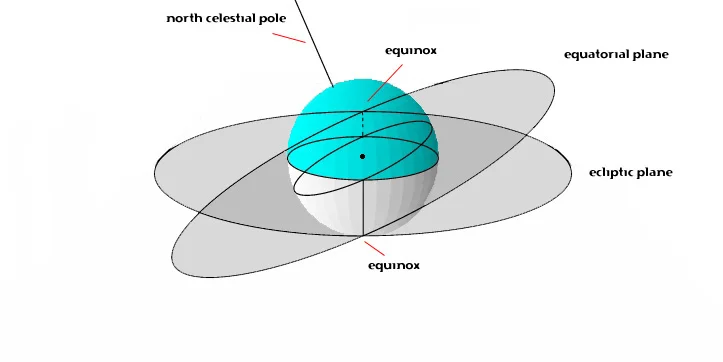
Because of the precession of the equinoxes — a slow westward drift of the equinox relative to the fixed stars — the tropical and sidereal zodiacs gradually diverge. Ayanamsha quantifies that separation at a given moment in time.
Mathematically:
Ayanamsha = Tropical Longitude of a Reference Point − Sidereal Longitude of the Same Reference Point
In practice, the reference point is typically the First Point of Aries.
Astrologers use ayanamsha to convert tropical positions (as given by modern ephemerides) into sidereal positions. This conversion determines the placement of planets and points in the sidereal zodiac — and therefore influences every layer of interpretation:
A difference of even a few degrees can shift a planet from one sign to another, altering psychological and predictive readings.
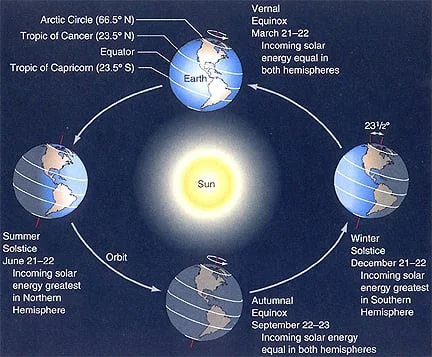
The root cause of ayanamsha is precession — a slow wobble in Earth’s rotation axis caused by gravitational torques from the Moon and Sun on Earth’s equatorial bulge. This wobble causes the vernal equinox point to regress along the ecliptic at approximately 50.29 arcseconds per year.
Over centuries, this accumulates to a significant angular shift:
Thus, the sidereal zodiac (fixed stars) and tropical zodiac (equinox-based) drift apart. Ayanamsha tracks that drift.
There are multiple ayanamsha models in use. They differ in:
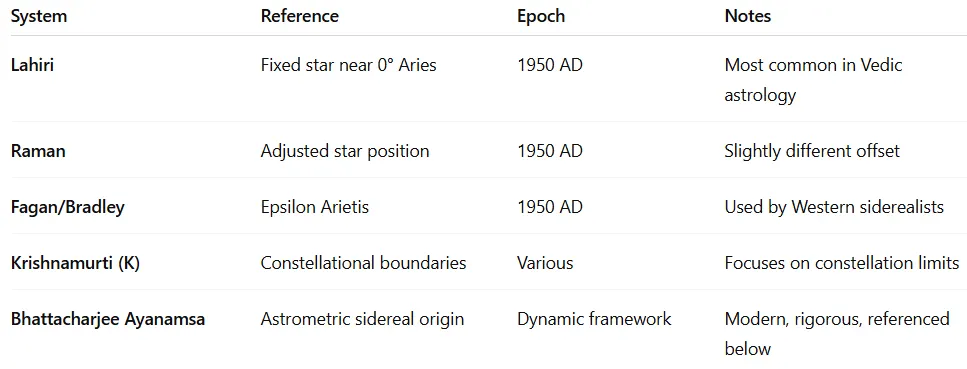
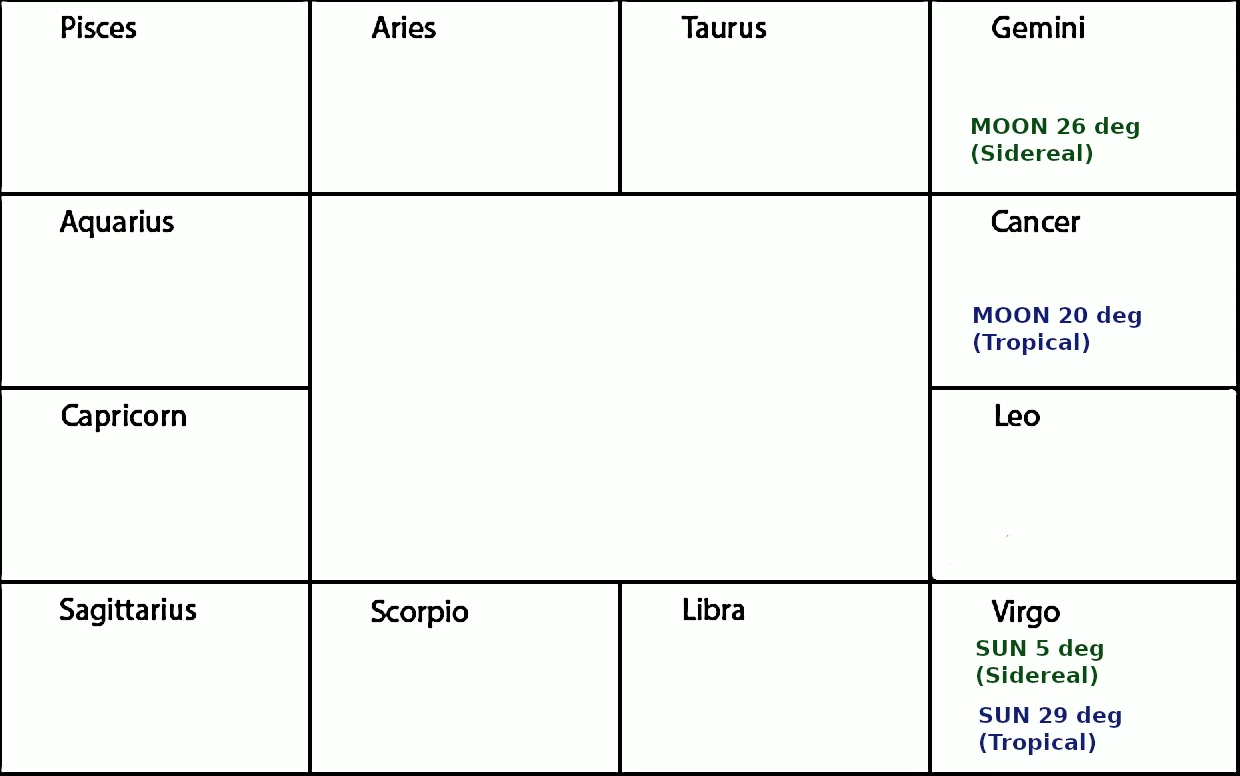
While all aim to measure the same physical quantity — the precessional offset — their starting definitions lead to slight numerical differences. For example, Lahiri and Fagan/Bradley differ by about 2–3 degrees today.
In my essay on Medium, “Bhattacharjee Ayanamsa: A Modern Astronomically Rigorous Sidereal Zodiac Framework”, I propose a sidereal zodiac definition grounded in precise astronomical criteria rather than historical conventions alone. The essential features are:
This framework aims to reconcile astrological practice with contemporary astronomical standards, ensuring that sidereal positions reflect true stellar longitude rather than legacy approximations.
Suppose on a given date:
Then:
Sidereal longitude = 15° − 24° = −9° ≡ 21° Pisces
Thus, while a tropical chart might show the Sun in Aries, the sidereal chart shifts it into Pisces.
This shift isn’t just numerical — it reshapes the symbolic reading, as signs are the primary lens through which planetary energies are interpreted.
In Vedic astrology, ayanamsha also enters into:
Different ayanamsha choices produce different nakshatra longitudes, altering dasha onset and progressions.
When selecting an ayanamsha for practice, consider:
For research-oriented work, models grounded in precise astronomical definition — like the one I outlined in my Medium article — offer transparent, reproducible baselines for sidereal computations.
Ayanamsha is more than just a technical correction — it embodies the essential divergence between seasonal and stellar frames of reference. Understanding its origin, calculation, and practical effects empowers astrologers to navigate both tropical and sidereal systems with clarity.
By grounding sidereal zodiac computation in rigorous astronomical criteria and clearly acknowledging the role of precession, we can bridge the gap between observational astronomy and astrological interpretation — honoring tradition without sacrificing precision.
For deeper technical insights and the details of a modern ayanamsha framework, see my Medium essay: Bhattacharjee Ayanamsa: A Modern Astronomically Rigorous Sidereal Zodiac Framework.