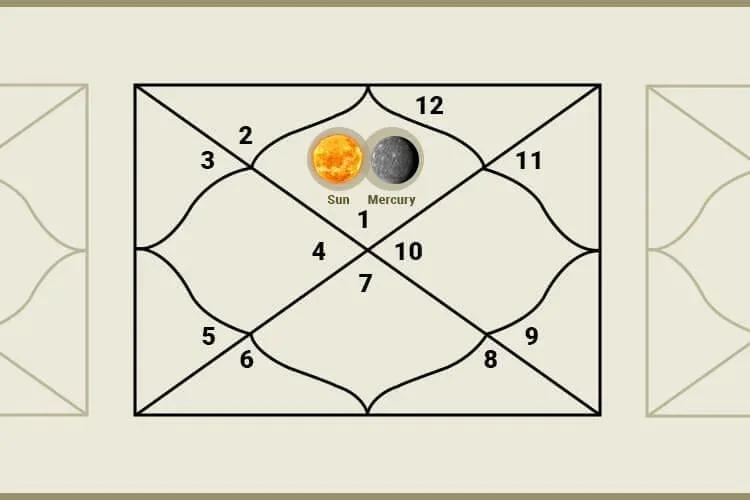
Title: Planetary Combustion in Vedic Astrology: A Dynamic Context-Driven Model
Author: Subhamoy Bhattacharjee
First Published: 12 July 2025
Original Publication: https://www.talk2destiny.co.in/combustion
Copyright © 2025 Subhamoy Bhattacharjee
All Rights Reserved
Author: Subhamoy Bhattacharjee, 07/12/2025
Classical Vedic astrology defines planetary combustion using fixed angular distances from the Sun. For example, Mercury is said to be combust within 12° or 14°, Venus within 10°, and so on. These values are widely repeated but rarely questioned. When analyzed through logic, observational astronomy, and comparative reasoning, fixed combustion ranges appear inconsistent and scientifically outdated.
This article proposes a dynamic, context-responsive combustion model, where combustion depends on multiple variables: the Sun’s current strength, the planet’s own strength, relative velocity, orbital direction (approaching or separating), and planetary latitude. This framework removes rigid dogma and replaces it with a more realistic, astronomy-aligned approach, without discarding the philosophical foundation of Jyotish.
The purpose is not to oppose tradition, but to elevate Vedic astrology using rational analysis and modern methodology.
Combustion (“Asta” or “Moudhya”) is a fundamental concept in Vedic astrology and traditionally refers to the weakening of planets when they come too close to the Sun. The standard rules originate from centuries-old texts composed when observational tools were extremely limited.
While these classical parameters have historical significance, they rely on fixed angular distances, treating all contexts as identical. In modern terms, this is equivalent to claiming that:
An egg always takes the same amount of time to boil, regardless of heat intensity, altitude, or environmental temperature.
Just as such a statement is physically illogical, a fixed-degree rule for combustion lacks contextual realism. The actual factors that influence visibility, brightness, strength, and impact are far more dynamic.
This article demonstrates why a fixed system is flawed and introduces a more logical, universally acceptable model.
The Sun’s radiative power varies according to sign placement, declination, and seasonal position. A planet’s brightness varies based on its albedo, atmospheric properties, and orbital phase. None of these factors are accounted for in the traditional system.
A single static degree cannot represent all possible scenarios across the sky.
Classical texts treat all planets as equally vulnerable to combustion regardless of:
This contradicts the principle that a strong entity resists external influence more than a weak one.
Astronomically, a planet growing closer to the Sun should experience increasing combustion intensity; a planet moving away should experience decreasing intensity.
Traditional texts ignore the direction of motion entirely.
Combustion is fundamentally about loss of visibility in solar glare. This depends heavily on:
No classical rule accommodates these variables, although they are key in observational astronomy.
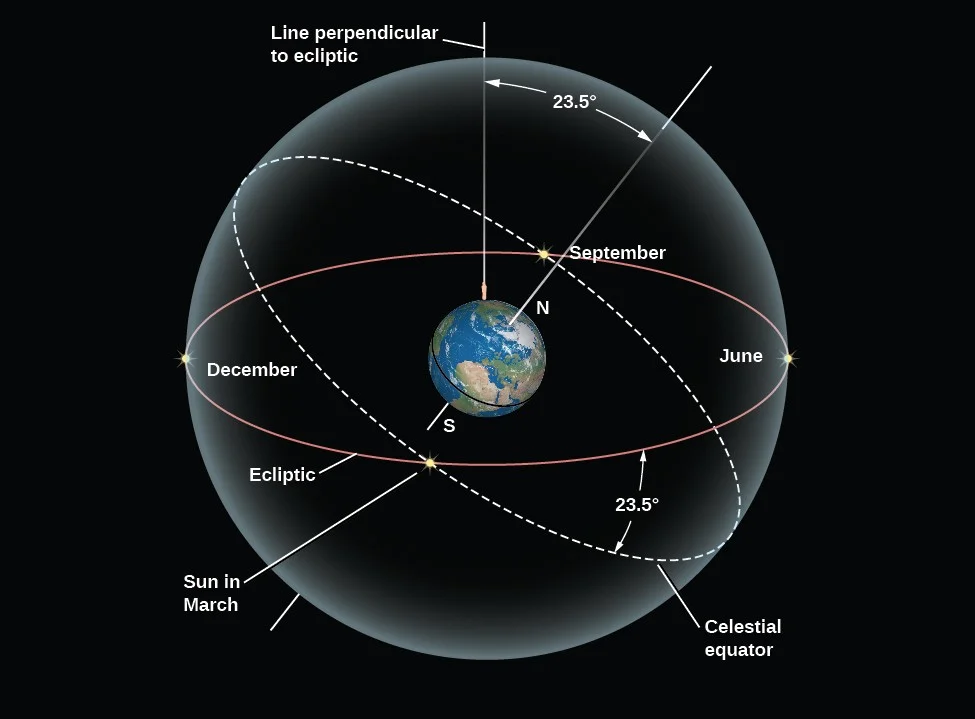
In many situations, Mercury and Venus remain visible even when “combust” by classical definitions. This mismatch highlights that angular distance alone is an oversimplification.
To align Vedic principles with observable reality, combustion must be understood as a variable phenomenon, not a fixed number.
A planet’s vulnerability to the Sun’s radiance depends on multiple interacting factors.
A modernized model should include:
A Sun placed in Aries (exalted), Leo (own sign), or supported by strong dignity naturally exerts stronger symbolic radiative influence.
Conversely, a debilitated or weak Sun exerts reduced intensity.
A planet in exaltation, its own sign, or possessing high Shadbala or strong Avasthas should resist combustion more effectively.
A debilitated or weak planet should be more vulnerable.
Angular distance should remain a factor — but not the only factor.
Different planets have different orbital speeds and brightness; therefore, their combustion thresholds must be variable.
When a planet approaches the Sun (inferior or superior conjunction), combustion should intensify.
When it moves away, the effect should diminish.
A planet far from the solar ecliptic can remain visible even within classical combustion degrees. Visibility changes drastically with latitude, which must be incorporated.
Although not traditionally considered, atmospheric transparency and seasonal factors affect visibility — and therefore combustion intensity.
To replace the rigid system, this article proposes the Dynamic Combustion Model (DCM) — a mathematically adaptable framework.
The model computes an Effective Combustion Score (ECS):
ECS = B × S_sun × R_planet × V_rel × L_factor
Where:
An ECS threshold can define:
This allows combustion to change dynamically day by day.
Incorporates actual astronomical behavior: brightness, motion, latitude.
Respects planetary dignity and Avasthas, enhancing interpretative accuracy.
Uses universal logic rather than culture-specific dogma.
The model can be calibrated using statistical studies and real-life outcomes.
Stops situations where a planet remains visible but is labeled combust.
Adopting a dynamic system allows astrology to evolve into a more rational discipline. Rather than discarding tradition, this approach:
This transformation reflects the original spirit of Jyotish — a science of observation, not blind repetition.
Fixed degree combustion rules are historically valuable but logically limited. As astronomical knowledge expands, astrology must evolve. A dynamic, context-based model of combustion is a natural and necessary step forward.
This article provides the foundation for a globally acceptable framework that integrates observational logic, planetary dignity, and astronomical variables. The Dynamic Combustion Model offers a refined and realistic approach that honors tradition while applying modern understanding.
This model is suitable for academic research, publication across global platforms, and future empirical validation.